
About us
CEPRU expertise
A global leader in advancing research
CEPRU’s vision is to be a global leader in advancing research to understand the cancer continuum, from its causes to clinical outcomes and translate this knowledge into effective strategies for cancer prevention, early detection and survival that will impact clinical practice and public health policy.
Our understanding of the causes and mechanisms of cancer development, and particularly the role of modifiable risk factors, has progressed substantially in recent decades. In addition, genome-wide association studies (GWAS) have identified hundreds of common susceptibly loci for multiple cancers. We have also seen decreases in cancer mortality for a range of cancers thanks to advances in early detection and treatments.

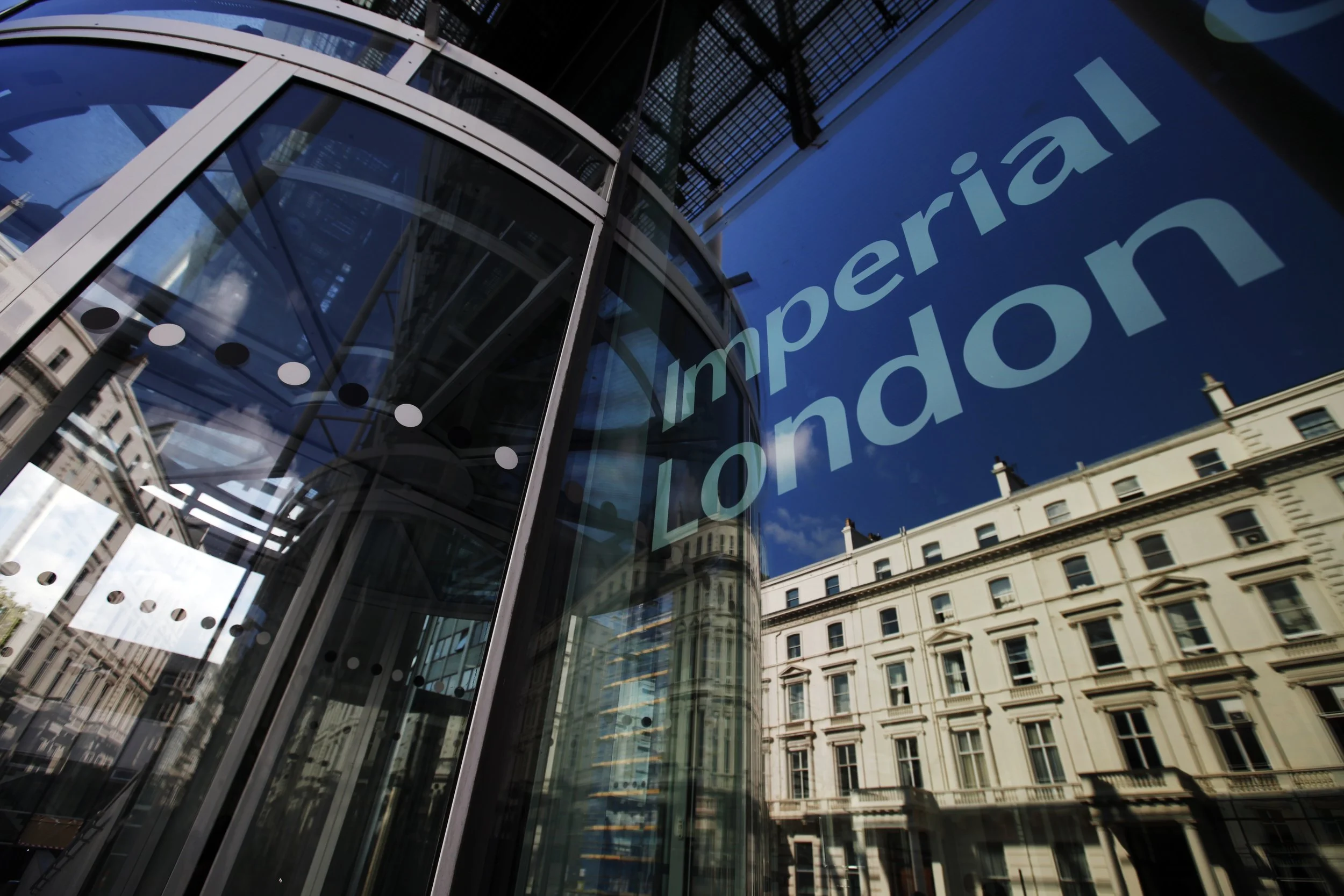
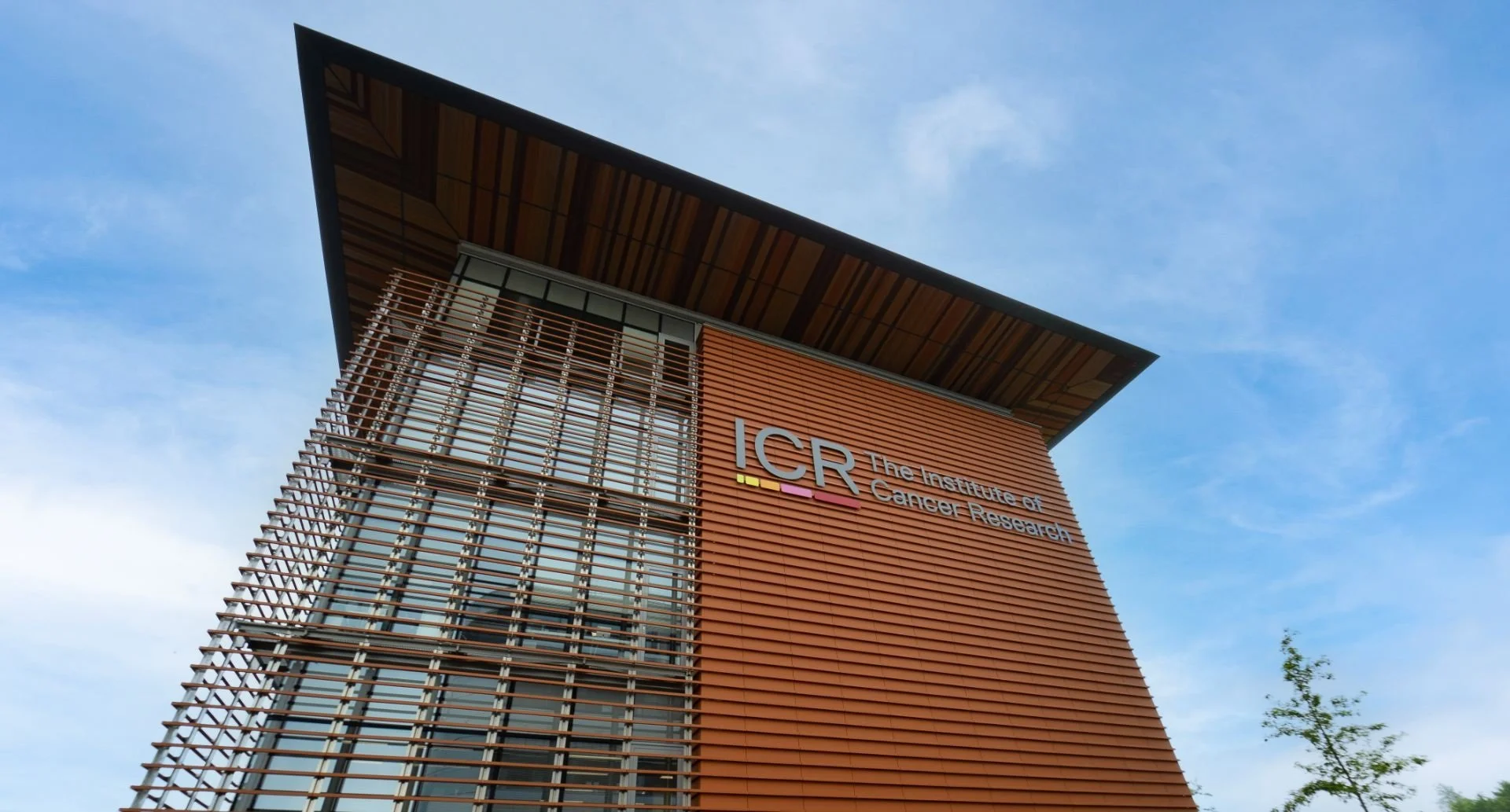
Above: CEPRU is a joint venture between Imperial and the ICR.Understanding cancer’s development
The Cancer Epidemiology and Prevention Research Unit (CEPRU) is a partnership between The Institute of Cancer Research, London (ICR), and Imperial College London.
Our understanding of the causes and mechanisms of cancer development, and particularly the role of modifiable risk factors, has progressed substantially in recent decades. In addition, genome-wide association studies (GWAS) have identified hundreds of common susceptibly loci for multiple cancers. We have also seen decreases in cancer mortality for a range of cancers thanks to advances in early detection and treatments.
This increased understanding has led to important advances in the prevention of some cancers, both by identifying individuals who are more likely to develop different types of cancers and by reducing human exposure to known carcinogens such as tobacco smoke, some viral infections, and certain environmental and occupational chemicals. However, for many cancers and some well-established risk factors, such as obesity, we have seen only limited translation into effective prevention strategies. In addition, we face the challenge of not knowing what other factors may cause the remaining cancers. This is particularly important for aggressive cancers or those occurring at early ages. Innovative, trans-disciplinary research to characterize exposures and their biological effects through molecular and imaging technologies is needed to uncover novel causes of cancer. Furthermore, the increasing population of cancer survivors, due to improvements in treatments, highlights the need to study late-effects of treatment and the impact of lifestyle changes on prognosis to improve the lives and outcomes for people living with cancer.